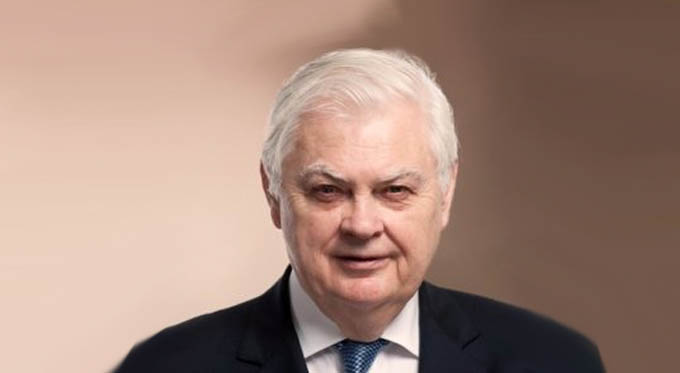
Norman Lamont is a British politician, former Conservative Member of Parliament, and former Chancellor of the Exchequer who played an important role in UK politics during the late 20th century. He became one of the most recognised political figures of the Conservative government era because of his economic decisions, his role in managing Britain’s finances, and his involvement during one of the most challenging periods in the country’s economic history.
Born in Scotland, Norman Lamont built a long career based on economics, public policy, and government service. His political journey includes decades in Parliament, senior ministerial positions, and continued involvement in national debates through the House of Lords. Although his career has faced criticism, particularly because of economic events during his time as Chancellor, he remains a significant figure when discussing British economic and political history.
Norman Lamont Early Life, Age and Education
Norman Stewart Hughson Lamont was born on 8 May 1942 in Lerwick, Scotland. Growing up in Scotland, he developed an early interest in education, economics, and public affairs. His academic background helped prepare him for a future career in politics, where understanding financial systems and government decision-making became central to his work. His Scottish heritage has remained an important part of his personal identity throughout his public life.
Before entering politics, Norman Lamont studied at Loretto School before attending Fitzwilliam College, Cambridge. His time at Cambridge allowed him to develop strong analytical skills and gain experience in subjects connected with economics and public administration. These educational foundations later helped him progress through the Conservative Party and eventually reach one of the highest financial positions in the UK government.
Norman Lamont Political Career and Rise to Power
Norman Lamont entered Parliament in 1972 as the Conservative MP for Kingston upon Thames. During his early years as a politician, he focused on developing his understanding of government policy, economic affairs, and international relations. His dedication and political skills helped him gain recognition within the Conservative Party, leading to several important government responsibilities during the 1980s.
During the governments of Margaret Thatcher and John Major, Norman Lamont held several ministerial roles. He worked in areas including trade, industry, and economic policy, building experience that eventually led to his appointment as Chancellor of the Exchequer. His career reflected the Conservative Party’s focus on market reforms, financial responsibility, and encouraging private-sector growth during a period of significant economic change in the United Kingdom.
Norman Lamont as Chancellor of the Exchequer
Norman Lamont became Chancellor of the Exchequer in 1990 after John Major became Prime Minister. His appointment came at a difficult time for the British economy, with the country facing recession, inflation concerns, and uncertainty in international financial markets. As Chancellor, Lamont was responsible for managing government finances, setting economic policies, and attempting to create conditions for economic recovery.
One of the most significant events associated with Norman Lamont’s time as Chancellor was the Black Wednesday crisis in September 1992. The United Kingdom was forced to withdraw the pound from the European Exchange Rate Mechanism after failing to maintain its exchange rate target. The event created widespread political criticism and became a defining moment in both Lamont’s career and Conservative government history.
Black Wednesday and Norman Lamont’s Economic Legacy
The Black Wednesday crisis had a major impact on public opinion about the Conservative government and influenced how many people viewed Norman Lamont’s time as Chancellor. Critics argued that the government’s economic strategy had failed, while supporters believed that leaving the exchange rate system eventually allowed Britain greater freedom to manage its economy.
Despite the controversy surrounding Black Wednesday, Norman Lamont continued to contribute to discussions about economics, trade, and government policy. His career demonstrates how political leaders are often judged by both their successes and the difficult decisions they make during periods of uncertainty. His economic ideas and experiences remain topics of discussion among historians and political commentators.
Norman Lamont Wife, Family and Personal Life
Norman Lamont has generally kept his personal life private despite spending many years in the public spotlight. He was married to Rosemary Lamont, and the couple have children together. Unlike many modern politicians who share more details about their private lives, Lamont has maintained a quieter approach, focusing public attention mainly on his professional career and political activities.
Searches involving phrases such as Julian Clary Norman Lamont and Norman Lamont Julian Clary often appear online because of interest in British comedy and media references. However, these searches do not represent a major political connection between the two individuals. Norman Lamont is primarily known for his political career, while Julian Clary is recognised for his work as a comedian and entertainer.
Norman Lamont Net Worth and Financial Background
Interest in Norman Lamont net worth has increased as people search for information about his financial background after a long career in politics and business. However, an official figure for his total wealth has not been publicly confirmed. Like many former senior politicians, his financial position is likely connected to several professional activities rather than only his parliamentary salary.
After leaving government office, Norman Lamont became involved in business activities and continued using his economic knowledge in professional roles. His experience as a former Chancellor, government minister, and political commentator has provided opportunities in areas such as advisory work, international business, and public speaking. Estimates of Norman Lamont net worth should therefore be viewed carefully because exact financial details remain private.
Norman Lamont House of Lords Role and Later Career
After leaving the House of Commons, Norman Lamont continued his involvement in public affairs through the House of Lords. He was appointed as Baron Lamont of Lerwick in 1998, allowing him to continue contributing to political debates. His later career has focused on economic issues, international relations, trade, and Britain’s position in global markets.
Norman Lamont has also become known for his views on Britain’s relationship with the European Union. He supported Eurosceptic positions and later backed Brexit-related campaigns. Through speeches, interviews, and political discussions, he has continued to influence conversations about the economy, sovereignty, and the future direction of the United Kingdom.
Norman Lamont’s Impact on British Politics
The political career of Norman Lamont represents a significant chapter in modern British history. His journey from a Scottish background to becoming Chancellor of the Exchequer demonstrates the opportunities available within British politics for individuals with strong economic knowledge and determination. His career also highlights the challenges faced by politicians responsible for making difficult decisions during uncertain economic periods.
Although opinions about Norman Lamont differ, there is no doubt that his influence on British political discussions has lasted for decades. Supporters recognise his commitment to economic reform and free-market principles, while critics continue to debate the decisions made during his time at the Treasury. His legacy remains closely connected with both economic policy and Conservative government history.
Conclusion
Norman Lamont’s biography provides insight into the life of a politician who experienced some of the most important economic moments in modern UK history. From his early education in Scotland to his years as a Conservative MP, Chancellor of the Exchequer, and House of Lords member, his career has been shaped by public service and economic debate.
While events such as Black Wednesday remain an important part of his reputation, Norman Lamont’s wider contribution includes decades of involvement in politics, business, and national discussions. His story reflects the complexities of leadership, where decisions made during difficult times can influence how a public figure is remembered for generations.
Frequently Asked Questions
Who is Norman Lamont?
Norman Lamont is a British Conservative politician and former Chancellor of the Exchequer who served in the UK government during the early 1990s.
How old is Norman Lamont?
Norman Lamont was born on 8 May 1942, making him 84 years old.
What is Norman Lamont famous for?
He is best known for being Chancellor of the Exchequer and for his role during the Black Wednesday economic crisis of 1992.
Who is Norman Lamont’s wife?
Norman Lamont was married to Rosemary Lamont, and they have children together.
What is Norman Lamont net worth?
The exact Norman Lamont net worth is not publicly available, but his wealth is believed to come from political service, business activities, and professional roles.
Is Norman Lamont related to Julian Clary?
There is no known family relationship between Norman Lamont and Julian Clary. Searches connecting their names are mainly related to media interest and comedy references.
What political party did Norman Lamont belong to?
Norman Lamont was a member of the Conservative Party during his political career.
Is Norman Lamont still involved in politics?
Yes, Norman Lamont remains a member of the House of Lords and continues to contribute to political and economic discussions.
Also Read: streatham hill