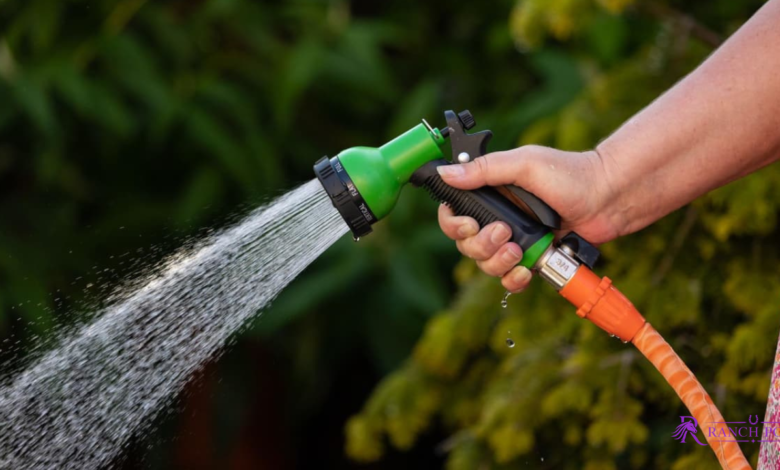
Hosepipe bans are temporary water restrictions introduced when water supplies come under significant pressure. In the UK, they are generally known officially as Temporary Use Bans and are introduced by individual water companies rather than automatically across the whole country. The restrictions are designed to reduce non-essential water use, particularly during prolonged periods of hot weather, low rainfall, drought and unusually high household demand.
The main purpose of these restrictions is to protect available water resources and maintain reliable supplies for essential needs. During extended dry periods, gardens require more watering, people may use more water outdoors and natural sources such as rivers, reservoirs and groundwater can receive less replenishment. By reducing discretionary consumption, water companies can help conserve supplies while weather and environmental conditions remain challenging.
Hosepipe Bans UK: Latest Situation
Hosepipe bans UK rules can vary considerably because restrictions are normally introduced by individual water companies according to local conditions. One region may be experiencing serious water-resource pressure while another has sufficient supplies to continue without restrictions. This means households should always check the latest information from their own supplier rather than assuming that a national rule applies everywhere.
During periods of extreme heat and prolonged dryness, several water companies can introduce restrictions at different times. The affected area may include an entire supply region or only specific communities. Water companies can also review restrictions as conditions change, meaning a ban may be expanded, modified or eventually lifted. Checking official announcements regularly is therefore essential for anyone living in an area experiencing unusually dry weather.
Where Are the Hosepipe Bans?
The question “where are the hosepipe bans?” becomes particularly important during a UK heatwave. There is no single answer because restrictions depend on local water resources, rainfall, river levels, reservoir storage and demand. Water companies assess these conditions separately, which means that customers in one part of the country may face restrictions while households elsewhere continue using outdoor water normally.
England is often particularly affected during prolonged periods of dry weather, especially across parts of southern, central and eastern regions. However, restrictions can also affect customers served by companies operating in Wales or other parts of the UK. The most reliable way to establish whether a property is affected is to identify the local water supplier and check its latest Temporary Use Ban information or postcode service.
Thames Water Hosepipe Bans
Thames Water hosepipe bans are especially important to monitor for customers across the company’s supply area. Thames Water can introduce temporary restrictions when water resources are under pressure, with specific rules explaining which activities are prohibited and which circumstances may qualify for an exemption. Customers should check the company’s latest information because the affected locations and restrictions can change as conditions develop.
A Thames Water restriction can affect everyday outdoor activities, including certain types of garden watering and vehicle washing. However, the rules are not necessarily an absolute prohibition on every form of outdoor water use. Specific exemptions may apply for circumstances such as health and safety, animal welfare, food crops and certain newly planted trees. Customers should always consult the latest official guidance before relying on an exemption.
Why Are Hosepipe Bans Introduced During UK Heatwaves?
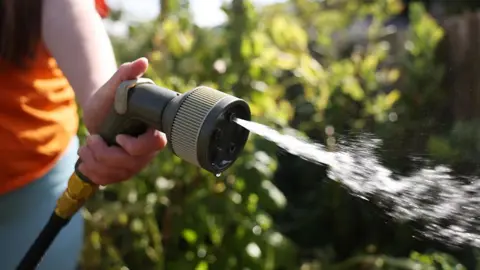
UK heatwaves can place considerable pressure on water supplies because household consumption tends to rise when temperatures increase. People may water gardens more frequently, fill paddling pools, take additional showers and use more water for outdoor cleaning. At the same time, prolonged hot weather can increase evaporation and reduce the amount of water naturally returning to rivers, reservoirs and groundwater.
The problem becomes more serious when extreme temperatures follow weeks or months of below-average rainfall. Water resources may already be depleted before a heatwave arrives, leaving less capacity to cope with a sudden increase in demand. Temporary restrictions can help water companies reduce unnecessary consumption and protect supplies for essential household use while environmental conditions gradually recover.
What Can You Do During a Hosepipe Ban?
The activities covered by a hosepipe ban depend on the legal notice issued by the relevant water company. Common restrictions can include watering private gardens with a hosepipe, washing private vehicles, cleaning patios and driveways, filling certain swimming pools and using a hosepipe for other specified outdoor activities. The precise list should always be checked against the current rules for your area.
A restriction does not necessarily mean that every form of outdoor water use is forbidden. Alternative methods may be permitted for some activities, although this depends on the company’s specific conditions. For example, gardeners may be able to use a watering can instead of a hosepipe. Before changing your normal routine, check the current notice carefully so that an alternative method does not unintentionally breach another restriction.
Watering Your Garden During a Hosepipe Ban
Garden watering is one of the activities most closely associated with temporary water restrictions. During hot weather, however, plants can still need careful attention, particularly newly planted flowers, vegetables and young trees. Rather than relying on a hosepipe, gardeners can use permitted alternatives such as watering cans and collected rainwater where appropriate. Applying water directly to the soil can also reduce unnecessary evaporation.
Good gardening techniques can make limited water go further. Watering during cooler parts of the day can reduce evaporation, while adding mulch around plants can help retain moisture in the soil. Choosing drought-tolerant plants can also reduce future water requirements. These simple measures can help maintain a healthy garden while reducing pressure on local supplies, whether or not a formal restriction is currently in force.
Washing Cars During a Hosepipe Ban
Washing a private car with a hosepipe is another common activity affected by temporary restrictions. The reason is straightforward: cleaning a vehicle with a continuously running hose can consume a considerable quantity of treated drinking water for a non-essential purpose. During periods of drought or extreme heat, water companies may therefore restrict this type of use to help conserve supplies.
Drivers should check their supplier’s current rules before cleaning a vehicle. Depending on the circumstances, alternative methods may be permitted, while certain vehicles or specialist uses can fall under specific exemptions. Businesses that rely on water for vehicle cleaning should be particularly careful because commercial activities can be subject to different conditions. Checking directly with the relevant water company is the safest approach.
Hosepipe Ban Exemptions
Exemptions are designed to recognise circumstances where stopping a particular water use could cause significant difficulty or risk. Depending on the water company, exemptions can relate to medical needs, disability, animal welfare, health and safety, food production or certain business activities. The availability of an exemption does not necessarily mean that a person can automatically continue using a hosepipe without meeting additional conditions.
The exact exemptions can differ between water companies, so general advice found online should be treated cautiously. Some customers may need to register or apply for an exemption, while others may qualify automatically under the terms of the restriction. If your circumstances may qualify, check the current guidance provided by your water supplier before carrying out a restricted activity.
Hosepipe Ban Fines and Penalties
Ignoring a legally enforceable water restriction can result in consequences because a Temporary Use Ban is more than a simple request to save water. Water companies can have enforcement powers when customers deliberately breach specified restrictions. The exact consequences depend on the legal notice, the circumstances of the alleged breach and the applicable legislation at the time.
Customers should avoid relying on outdated information about fines because penalties and enforcement arrangements can change. If you are uncertain about whether an activity is permitted, checking the latest notice is much safer than taking a chance. Where a specific exemption may apply, obtaining confirmation from the relevant water company can also prevent an accidental breach of the restrictions.
How Long Do Hosepipe Bans Last?
There is no standard duration for a temporary water restriction. A ban can remain in place until the relevant water company considers that conditions have improved enough to safely restore normal water use. Although rainfall can provide valuable relief, several days of wet weather may not immediately replenish reservoirs, groundwater or rivers after an extended period of drought.
Water companies can consider many factors before lifting restrictions, including rainfall totals, reservoir storage, groundwater levels, river flows, weather forecasts and customer demand. This explains why restrictions can sometimes continue even after temperatures fall. Customers should therefore wait for an official announcement before assuming that a restriction has ended, rather than relying on a forecast or a short period of rainfall.
How to Check If Your Area Is Affected
The easiest way to check whether your property is affected is to identify your water supplier and visit its official website. Most major suppliers publish dedicated pages covering temporary restrictions, drought conditions and water-saving advice. Some also provide postcode checkers that allow customers to confirm whether their home falls within a restricted area.
It is important to check the date of any information you find because water restrictions can change quickly during extreme weather. News reports and social media posts can become outdated within days, particularly when rainfall changes the outlook. The current legal notice from your water company should always take priority when deciding whether a particular activity is allowed.
Saving Water During a UK Heatwave
Water-saving habits become especially valuable during prolonged hot weather. Households can reduce unnecessary consumption by fixing leaking taps and toilets, taking shorter showers, avoiding running taps unnecessarily and using washing machines and dishwashers efficiently. These measures may appear small individually, but widespread reductions in household consumption can make a meaningful difference when water demand is unusually high.
Outdoor use can also be managed more efficiently. Collecting rainwater where practical, choosing plants suited to dry conditions and applying mulch around garden beds can reduce the amount of mains water required. Gardeners can also concentrate water where it is most needed rather than soaking large areas. These habits can help protect supplies even when no formal restriction is currently affecting the area.
What Restrictions Mean for Homes and Businesses
For households, temporary restrictions can change everyday outdoor routines without necessarily affecting normal indoor activities. Residents may need to reconsider how they water plants, clean vehicles or maintain outdoor areas. Planning ahead can make the transition easier, particularly for people who have large gardens, allotments or newly planted areas that normally require frequent watering during summer.
Businesses should pay close attention to the rules because commercial activities can involve different water uses and exemptions. Garden centres, landscapers, vehicle cleaning businesses, sports facilities and other water-dependent organisations may need to establish whether their activities are restricted. Rather than relying on household guidance, businesses should review the relevant notice and contact their water supplier where the position is unclear.
The Future of Water Restrictions in the UK
The UK’s changing weather patterns make long-term water management increasingly important. Periods of intense rainfall can occur alongside extended dry spells, making it difficult to rely solely on traditional patterns of water availability. Water companies therefore need to balance immediate demand with long-term planning, infrastructure investment, leakage reduction and protection of natural water resources.
For households, the lesson is equally important. Water conservation should not begin only when a restriction is announced. Using water efficiently throughout the year can reduce unnecessary demand and help communities cope when another exceptionally hot or dry period arrives. Responsible consumption, combined with improved infrastructure and careful resource management, can help make the UK’s water supplies more resilient.
Conclusion
Hosepipe bans are an important tool for managing water supplies during periods of drought, extreme heat and prolonged dry weather. Although the term is widely used, restrictions are normally introduced by individual water companies and can differ significantly between regions. This means residents should never assume that a rule affecting another part of the UK automatically applies to their own property.
The best approach is to stay informed, check your water company’s latest guidance and understand which activities are restricted or exempt. During periods of high demand, reducing unnecessary water use can also make a valuable contribution. Whether you are caring for a garden, washing a vehicle or running a business, following the latest local rules helps protect water supplies when they are under greatest pressure.
Frequently Asked Questions
What is a hosepipe ban?
A hosepipe ban is a temporary restriction on specified uses of mains water, normally introduced when local water supplies are under pressure.
Where are the hosepipe bans in the UK?
Hosepipe bans are introduced by individual water companies, so affected areas can vary across the UK.
Are there Thames Water hosepipe bans?
Thames Water can introduce temporary restrictions when water resources are under pressure, with specific rules applying to affected customers.
Can I water my garden during a hosepipe ban?
Using a hosepipe to water a private garden is commonly restricted, although permitted alternatives may be available.
Can I wash my car during a hosepipe ban?
Washing a private vehicle with a hosepipe is commonly restricted during a Temporary Use Ban.
How much is the fine for breaking a hosepipe ban?
The potential penalty depends on the applicable legal notice and circumstances of the breach.
How long do hosepipe bans last?
There is no fixed duration, as restrictions can remain until water-resource conditions improve sufficiently.
Why are hosepipe bans introduced during UK heatwaves?
They help reduce water demand when hot, dry weather puts additional pressure on local water supplies.
How can I check whether my postcode is affected?
Check your local water company’s official website for the latest restriction information and postcode guidance.
Also Read: annie kilner