The Class 37 is one of the most famous diesel locomotives in British railway history, earning a special place among enthusiasts, drivers, and preservation groups across the United Kingdom. Introduced during the early years of British Rail’s modernisation programme, this locomotive became recognised for its incredible versatility, dependable engineering, and ability to perform a wide range of duties. From passenger services to heavy freight operations, the locomotive proved itself as a reliable workhorse for decades.
Originally built by English Electric between 1960 and 1965, the locomotive was officially known as the English Electric Type 3 before receiving the Class 37 designation under the TOPS classification system. More than sixty years after entering service, it remains an important part of Britain’s railway heritage. Its distinctive engine sound, rugged design, and long operational history have made it one of the most loved diesel locomotives in the UK.
The popularity of this locomotive extends beyond full-size railway operations, with collectors and hobbyists showing strong interest in models such as the Hornby Class 37, Bachmann Class 37, and Accurascale Class 37. These detailed models allow railway fans to recreate a piece of British railway history at home. Whether seen on heritage railways or represented in model form, the locomotive continues to inspire admiration.
History of the British Rail Class 37
The history of the British Rail Class 37 began during a period of major change within the UK railway network. British Rail was moving away from steam power and needed reliable diesel locomotives capable of replacing older technology. English Electric developed the Type 3 locomotive as a flexible solution that could handle both passenger and freight services across different regions of Britain.
Construction took place at English Electric facilities in Lancashire and Vulcan Foundry, with the first locomotives entering service in 1960. A total of 309 examples were produced, creating one of the largest and most successful diesel locomotive fleets in British railway history. Their combination of power, efficiency, and adaptability allowed them to operate on routes throughout England, Scotland, and Wales.
During their early years, these locomotives became a common sight on main lines, rural routes, and industrial railways. The British Rail Class 37 quickly gained a reputation for reliability, especially in areas where difficult terrain and demanding weather conditions required strong performance. Their success meant they remained in service long after many other diesel designs had disappeared.
Class 37 Engine and Technical Specifications
The engineering behind the Class 37 locomotive was designed around simplicity, strength, and reliability. Each locomotive was fitted with an English Electric 12-cylinder diesel engine producing approximately 1,750 horsepower. This power was transferred through an electric transmission system, allowing smooth operation and making the locomotive suitable for a wide variety of railway tasks.
One of the reasons for its long lifespan was the robust construction of the Class 37 engine. The design allowed engineers to maintain and repair the locomotives effectively, helping many examples remain operational for more than six decades. Their mechanical reliability became one of their greatest advantages, particularly when operating in remote areas and on challenging routes.
The Class 37 cab provided drivers with a practical working environment designed for long journeys and demanding railway conditions. Although modern locomotives feature more advanced technology, the original cab layout was functional and efficient. The excellent visibility and straightforward controls helped drivers operate these locomotives successfully across thousands of miles of railway.
The locomotive could reach speeds of around 90 mph, depending on the specific variant and operational requirements. Different versions were later modified with improved equipment, including upgraded electrical systems and passenger service features. These changes allowed the fleet to continue adapting to the changing needs of Britain’s rail network.
Class 37 Operations Across the UK
Throughout its working life, the Class 37 train has been used for an impressive variety of railway duties. Unlike some locomotives designed for only one purpose, it successfully operated passenger services, freight trains, engineering trains, and specialist railway operations. This flexibility became one of the main reasons for its long-term success.
In Scotland, these locomotives became particularly famous for operating challenging Highland routes. Their strong performance made them ideal for areas where steep gradients, harsh weather, and remote locations created demanding conditions. They also worked on passenger services in England and Wales, providing reliable transport for thousands of railway passengers over many years.
Freight operations were another important part of the locomotive’s career. The Class 37 handled everything from traditional goods trains to modern industrial services. Its ability to pull heavy loads at consistent speeds made it valuable to freight operators even after newer locomotives entered service.
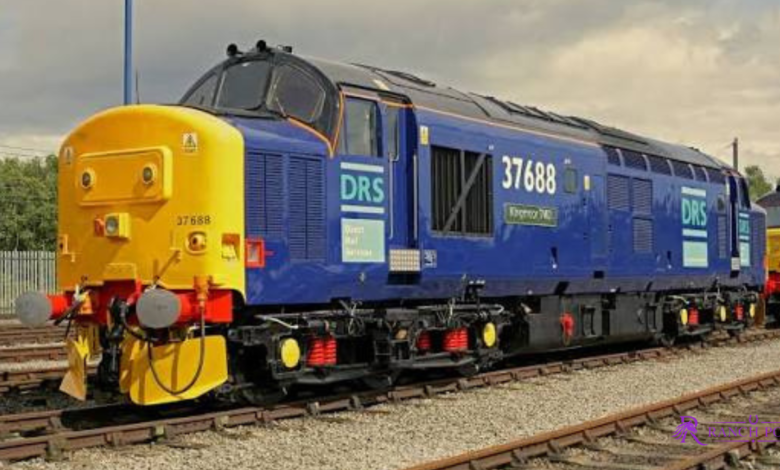
Today, many examples continue working in specialist roles. Operators such as Direct Rail Services have used modified versions for engineering and infrastructure duties. The continued use of these locomotives demonstrates the strength of their original design and explains why they remain an important part of Britain’s railway landscape.
Class 37 Variants and Subclasses Explained
Over the years, several different versions of the locomotive were created to meet changing railway requirements. These variations improved performance, reliability, and operational flexibility while allowing the fleet to continue serving different roles. The most recognised examples include the Class 37/0, Class 37/4, Class 37/5, and Class 37/6, each featuring specific modifications for different types of work.
The Class 37/4 became one of the most famous versions because of its use on passenger services. These locomotives received electrical upgrades, including equipment for working with passenger coaches, making them suitable for express and regional trains. Many railway enthusiasts consider the Class 37/4 to be one of the most important versions because of its memorable service on routes across Scotland and other parts of Britain.
The Class 37/5 and Class 37/6 variants were designed mainly for freight and specialist duties. These versions included technical improvements that allowed them to operate efficiently in modern railway environments. Their continued use in freight, engineering, and infrastructure roles shows how adaptable the original design remained throughout its long operational life.
Each subclass represents a different stage in the evolution of the locomotive. While the external appearance remained familiar, internal improvements helped extend the working life of many examples. This ability to be upgraded rather than replaced contributed greatly to the lasting reputation of the British Rail Class 37.
Class 37 Liveries Through Railway History
One of the most attractive features of this locomotive is the wide variety of Class 37 liveries that have appeared throughout its career. These different colour schemes represent important periods in British railway history and are highly valued by enthusiasts and photographers. Each livery tells a story about the locomotive’s operator, purpose, and era of service.
The earliest examples appeared in the traditional BR Green livery, which reflected the appearance of British Rail during the 1960s. As railway branding changed, many locomotives were repainted into the famous BR Blue scheme, which became strongly associated with the diesel era. Later designs included Large Logo Blue, Railfreight Grey, and regional variations.
During the privatisation era, many locomotives received new company colours. The EWS Class 37 fleet featured the distinctive EWS maroon and gold appearance, while DRS Class 37 locomotives became well known for their blue and white designs. Network Rail Class 37 examples later adopted corporate colours for infrastructure and engineering duties.
For model railway collectors, these liveries are an important reason for the locomotive’s popularity. Manufacturers produce different versions representing specific historical periods, allowing enthusiasts to recreate authentic railway scenes. From a classic BR Blue layout to a modern engineering railway, there is a Class 37 model suitable for almost every collection.
Class 37 Preservation and Heritage Railway Use
The preservation of the Class 37 has been one of the greatest successes in British railway heritage. When many locomotives were withdrawn from everyday service, enthusiasts and preservation organisations worked to save examples for future generations. Today, numerous preserved locomotives continue operating on heritage railways, allowing visitors to experience their power and distinctive sound.
Heritage railways across the UK regularly feature preserved locomotives during special events, diesel galas, and railway demonstrations. These occasions attract thousands of visitors who want to experience the atmosphere of the diesel era. The unmistakable sound of the engine and the classic appearance of the locomotive make it a popular attraction.
Preserved examples also provide valuable educational opportunities. They allow younger generations to learn about Britain’s railway development and understand the engineering achievements behind these machines. Volunteers dedicate significant time to restoration, maintenance, and operation, ensuring these historic locomotives remain active.
The continued preservation of the locomotive highlights its importance beyond simple transportation. It represents an important chapter in British industrial history and demonstrates how well-designed engineering can continue providing enjoyment decades after original construction.
Class 37 Model Railway Collecting
The popularity of the locomotive is not limited to full-size railway operations. The model railway community has embraced it for many years, making it one of the most widely available diesel locomotive models. Collectors can find versions in several scales, including 00 gauge Class 37, N gauge Class 37, O gauge Class 37, and the newer TT120 Class 37.
The Hornby Class 37 has been a popular choice among model railway beginners and experienced collectors. Hornby has produced numerous versions featuring different liveries and details, allowing hobbyists to recreate scenes from various periods of railway history. These models remain widely available and are often used on home layouts across the UK.
The Bachmann Class 37 range is also highly respected for its detailed design and realistic appearance. Many collectors appreciate the accurate body shape, refined features, and variety of versions available. Meanwhile, the Accurascale Class 37 has gained attention for its advanced detailing, sound options, and modern manufacturing standards.
Older Lima Class 37 models are still popular among collectors who appreciate their nostalgic value. Although newer models offer improved accuracy, Lima versions remain an important part of model railway history. Whether collecting vintage models or building a modern digital layout, enthusiasts continue to celebrate this iconic locomotive.
Why the Class 37 Remains a British Railway Icon
Few locomotives have achieved the same level of popularity and recognition as the Class 37. Its combination of reliable engineering, distinctive appearance, and impressive working history has created a lasting connection with railway enthusiasts. Many locomotives have served successfully, but few have developed such a strong following.
The famous nickname “Tractor” comes from the unique sound produced by its diesel engine. This distinctive noise became one of its most memorable characteristics and helped create a special connection between the locomotive and railway fans. For many enthusiasts, hearing a Class 37 approach is an unforgettable railway experience.
Its continued survival is also linked to its adaptability. While newer technology has transformed the railway industry, the locomotive has remained useful because of its practical design. From freight operations to heritage services, it has repeatedly demonstrated that well-built engineering can stand the test of time.
The legacy of the Class 37 extends beyond railway operations. It represents the transition from steam to diesel power, the development of modern British railways, and the dedication of countless engineers, drivers, and preservation volunteers who have kept these machines alive.
Conclusion
The Class 37 is more than just a diesel locomotive; it is a symbol of British railway history and engineering excellence. From its introduction during the 1960s modernisation programme to its continued presence on heritage railways and specialist services, it has achieved a remarkable operational record. Its versatility, reliability, and distinctive character have secured its place among Britain’s greatest locomotives.
Whether admired by railway professionals, enthusiasts, photographers, or model collectors, the locomotive continues to inspire passion across generations. From preserved examples running on heritage lines to detailed models displayed in homes, the Class 37 remains a powerful reminder of Britain’s railway heritage and industrial achievements.
Frequently Asked Questions
What is the Class 37 locomotive?
The Class 37 is a diesel-electric locomotive built by English Electric for British Rail between 1960 and 1965. It was designed to replace steam locomotives and became one of the most successful diesel designs in Britain.
Why is the Class 37 called the Tractor?
The locomotive earned the nickname because of its distinctive engine sound, which many railway enthusiasts compare to the noise of a large agricultural tractor. This unique sound became one of its most recognisable features.
Are Class 37 locomotives still in service?
Yes, several examples remain operational today. Some work on heritage railways, while others continue performing specialist duties such as engineering and infrastructure work.
What is the difference between Class 37/0 and Class 37/4?
The Class 37/0 represents the original version, while the Class 37/4 received upgrades including improved electrical equipment and passenger service capabilities.
Which companies make Class 37 models?
Popular manufacturers include Hornby, Bachmann, Accurascale, and Lima. These companies produce models in different scales, including 00 gauge, N gauge, O gauge, and TT120.
Where can I see a preserved Class 37?
Preserved locomotives can be found at various heritage railways and railway events throughout the UK. Many diesel galas and special operating days feature these historic machines.
Why is the Class 37 still popular today?
The locomotive remains popular because of its distinctive sound, reliable engineering, long history, and strong connection with Britain’s railway heritage. Its continued operation keeps its legacy alive for future generations.
Also Raed: lossiemouth horse