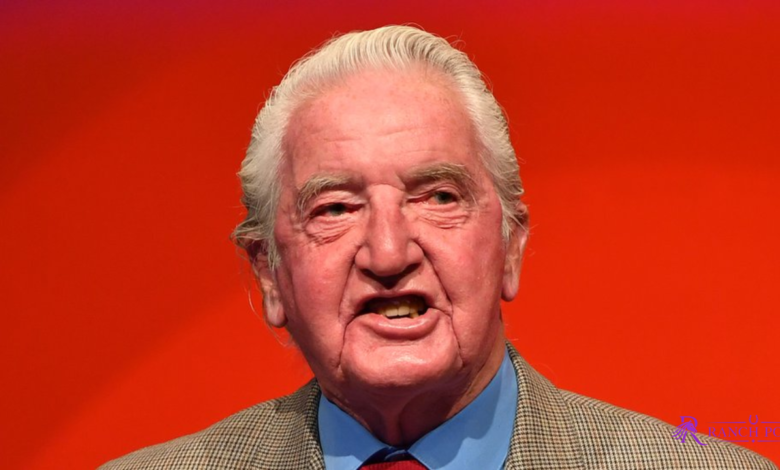
Dennis Skinner is one of the most memorable and outspoken politicians in modern British history. Known widely as the “Beast of Bolsover”, he built a reputation for his passionate speeches, fearless challenges, and strong support for working-class communities. Serving as the Labour Member of Parliament for Bolsover from 1970 until 2019, he became a symbol of traditional Labour politics and remained committed to his beliefs throughout his long career.
The story of Dennis Skinner is not only about politics but also about the journey of a coal miner who rose to become one of the most recognisable voices in the House of Commons. His sharp humour, famous parliamentary remarks, and dedication to social issues made him a unique figure in British public life. His career continues to attract interest from people searching for his biography, quotes, family details, and political legacy.
Dennis Skinner Early Life and Working-Class Background
Dennis Edward Skinner was born on 11 February 1932 in Clay Cross, Derbyshire, into a mining family. Growing up in a coal mining community had a major influence on his future beliefs and political views. His early experiences exposed him to the challenges faced by working families, including economic struggles, employment concerns, and the importance of community support. These experiences later shaped his approach to politics and his lifelong commitment to workers’ rights.
Before entering Parliament, Dennis Skinner worked as a coal miner for more than 20 years. His time underground gave him first-hand knowledge of the difficulties faced by mining communities across Britain. He became involved with trade union activities and developed a strong interest in protecting workers’ interests. This background helped establish the foundation for his political career and made him a trusted representative among many working-class voters.
Dennis Skinner Political Career and Rise as a Labour MP
Dennis Skinner became the Labour MP for Bolsover in 1970, beginning a parliamentary career that lasted almost five decades. During his time in Westminster, he became recognised for his strong left-wing views and his willingness to challenge political opponents. He regularly spoke about issues such as social inequality, public services, workers’ rights, and the struggles of ordinary people across the United Kingdom.
Throughout his years as an MP, Dennis Skinner remained loyal to his political principles. While many politicians changed their positions over time, he continued to promote traditional Labour values and defend the interests of mining communities. His long service to Bolsover demonstrated his connection with local voters, many of whom appreciated his direct communication style and his commitment to representing their concerns in Parliament.
Why Dennis Skinner Was Called the Beast of Bolsover
The nickname “Beast of Bolsover” became one of the most famous descriptions associated with Dennis Skinner. The name reflected his energetic and sometimes confrontational style during parliamentary debates. He was known for speaking his mind, questioning government decisions, and using humour to make powerful political points. His approach often created memorable moments that attracted attention from both supporters and critics.
Dennis Skinner developed a reputation as one of Parliament’s most entertaining speakers because of his quick responses and sharp observations. His ability to deliver witty comments during heated debates made him a popular figure among those who enjoyed traditional political argument. Although some people disagreed with his style, few could ignore his passion, confidence, and ability to make political discussions more engaging for the public.
Dennis Skinner Quotes and Famous Parliamentary Heckles

Dennis Skinner quotes remain popular because they often reflected his strong opinions on politics, inequality, and society. His words were usually direct, humorous, and designed to challenge people in positions of power. Many of his statements showed his belief that politicians should remain connected to ordinary citizens and understand the difficulties faced by working families.
The famous Dennis Skinner heckles became a major part of his public identity. He was particularly known for his comments during major parliamentary events, including the annual Queen’s Speech and important political debates. His interruptions were often humorous but also carried political messages. These moments helped create his reputation as one of the most memorable parliamentary figures in British history.
Dennis Skinner Family and Personal Life
Although Dennis Skinner spent decades in the public spotlight, he preferred to keep much of his personal life private. His political career often received more attention than his family background, and he was mainly recognised for his work as a politician. However, his family and upbringing played an important role in shaping his values and understanding of working-class life.
Dennis Skinner was married to Mary Parker from 1960 until 1989, and he has children including Mandy Skinner and Dawn Skinner. Despite his busy political schedule, he maintained a connection with his personal roots and continued to identify strongly with the communities that shaped him. His private approach to family matters reflected his focus on public service rather than personal publicity.
Dennis Skinner Net Worth and Financial Information
Interest in Dennis Skinner net worth has increased over the years as people search for information about his financial background. Unlike many public figures, Dennis Skinner was often associated with a modest lifestyle that matched his working-class image. His main income came from his long career as a Member of Parliament, along with other professional activities connected to his political work.
There is no officially confirmed public figure for Dennis Skinner net worth, but his supporters often highlighted his simple approach to life. He was known for maintaining close links with ordinary people rather than presenting himself as part of a political elite. His financial reputation was closely connected to his message of equality and support for working communities.
Dennis Skinner After Leaving Parliament
Dennis Skinner’s parliamentary career came to an end after the 2019 general election when he lost his Bolsover seat. The result ended one of the longest-serving MP careers in modern British politics. His departure marked a significant moment because he had represented the constituency for 49 years and had become closely associated with both Bolsover and the wider Labour movement.
After leaving Parliament, Dennis Skinner continued to be discussed as an important figure in British political history. His supporters remembered him as a politician who stood firmly by his beliefs, while others recognised his ability to bring personality and humour into political debates. His legacy remains connected to working-class representation, political honesty, and his distinctive parliamentary style.
Dennis Skinner’s Lasting Legacy in British Politics
The legacy of Dennis Skinner goes beyond his years in Parliament. He represented a generation of politicians who built their careers around trade unions, industrial communities, and traditional Labour values. His journey from coal miner to veteran MP showed how personal experience could shape a powerful political voice.
Today, Dennis Skinner remains remembered for his famous speeches, Dennis Skinner quotes, and unforgettable moments in the House of Commons. Whether admired for his passion or criticised for his approach, he created a lasting impact on British political culture. His career remains an example of how one politician’s personality and principles can leave a mark on national conversations.
Conclusion
Dennis Skinner’s biography represents a remarkable journey from a mining community in Derbyshire to the centre of British politics. His nearly 50 years as an MP, strong Labour beliefs, and famous parliamentary style made him one of the most distinctive politicians of his era. The “Beast of Bolsover” became a symbol of determination, debate, and working-class representation.
From his early life as a coal miner to his role as a long-serving MP, Dennis Skinner remained committed to the causes he believed in. His quotes, heckles, and political views continue to attract attention, ensuring that his name remains an important part of Britain’s political history.
Frequently Asked Questions
Who is Dennis Skinner?
Dennis Skinner is a former Labour politician who represented Bolsover in the House of Commons from 1970 until 2019. He is famous for his strong socialist views, outspoken speeches, and reputation as the “Beast of Bolsover”.
Why was Dennis Skinner called the Beast of Bolsover?
Dennis Skinner received the nickname because of his passionate debating style, sharp humour, and willingness to challenge politicians during parliamentary discussions. The name became closely linked with his bold personality.
What are the most famous Dennis Skinner quotes?
Dennis Skinner quotes are remembered for addressing topics such as workers’ rights, inequality, government policies, and social justice. Many became popular because of their humour and direct political messages.
What are Dennis Skinner’s best heckles?
Dennis Skinner’s best heckles include memorable comments made during parliamentary debates. His quick timing and witty responses made him one of the most recognisable voices in the House of Commons.
What is Dennis Skinner net worth?
The exact Dennis Skinner net worth is not publicly confirmed. His earnings mainly came from his long parliamentary career and related political activities.
How long was Dennis Skinner an MP?
Dennis Skinner served as the Labour MP for Bolsover for 49 years, from 1970 until he lost his seat in the 2019 general election.
Is Dennis Skinner still involved in politics?
Although Dennis Skinner is no longer a Member of Parliament, his political views and legacy continue to influence discussions about Labour history and working-class representation.
Also Read: nissan elgrand