The Rover SD1 is one of the most memorable British cars of the 1970s and 1980s, combining bold styling, advanced design, and powerful performance in a way that few vehicles of its era achieved. Produced by British Leyland between 1976 and 1986, it was created to challenge established European executive cars while offering a distinctly British driving experience. With its futuristic fastback shape, spacious cabin, and famous V8 engine options, it became an important part of British automotive history.
Over the years, the Rover SD1 has transformed from a controversial new model into a highly respected classic car. Enthusiasts today appreciate its unique character, comfortable ride, and motorsport connections. Searches for models such as the Rover SD1 for sale, Rover SD1 Vitesse for sale, and classic Rover SD1 examples continue to grow as collectors look for a rare piece of British engineering heritage.
Rover SD1 History and Development from 1976 to 1986
The development of the Rover SD1 began in the early 1970s when British Leyland wanted to replace the successful Rover P6 with a more modern executive vehicle. The company aimed to create a car that could compete with premium European rivals while introducing new ideas in design, practicality, and performance. The result was a vehicle that looked completely different from traditional luxury saloons of the time.
Designed by David Bache, the Rover SD1 featured a sleek fastback profile inspired by modern aerodynamic principles. Its smooth body lines, large glass area, and distinctive rear design gave it a futuristic appearance when it was launched in 1976. The innovative styling immediately attracted attention, helping the car win praise from many automotive experts despite concerns about production quality.
During its decade-long production run, the Rover SD1 received several improvements and updates. Early models introduced the concept, while later versions benefited from better equipment, revised interiors, and improved mechanical reliability. Although British Leyland’s manufacturing problems affected the car’s reputation, the SD1 eventually gained recognition as an ambitious and important British classic.
Rover SD1 Engine Range and V8 Performance
One of the most appealing aspects of the Rover SD1 was its wide range of engine choices. Buyers could select from different six-cylinder engines or choose the legendary Rover V8, which became the most desirable option among enthusiasts. Each engine provided a different driving experience, allowing the SD1 to serve as both a comfortable executive vehicle and an exciting performance car.
The Rover SD1 V8 remains the most famous version because of its smooth power delivery and distinctive engine sound. The lightweight aluminium V8 engine provided strong acceleration, excellent refinement, and impressive long-distance capability. Combined with rear-wheel drive, the car offered a balanced and enjoyable driving experience that made it stand apart from many luxury vehicles of its generation.
Today, well-preserved V8 models are among the most sought-after examples in the classic market. Owners appreciate the engine’s durability, tuning potential, and connection to other famous British performance cars. Whether restored or maintained in original condition, a Rover SD1 V8 represents an important piece of motoring heritage.
Rover SD1 Vitesse: The High-Performance Flagship Model
The Rover SD1 Vitesse was introduced as the ultimate performance version of the range. Designed to compete with faster European sports saloons, the Vitesse used a fuel-injected Rover V8 engine combined with upgraded suspension, improved brakes, and sportier exterior features. It transformed the comfortable executive car into a genuine driver-focused machine.
The popularity of the Rover SD1 Vitesse continues among collectors because it offered impressive performance without sacrificing everyday usability. Drivers could enjoy strong acceleration, confident handling, and long-distance comfort in the same vehicle. This combination helped the Vitesse develop a strong reputation and made it one of the most desirable versions produced.
Among the rarest models is the Rover SD1 Vitesse Twin Plenum. Built in limited numbers, this special version featured unique engine technology developed to improve performance. Due to its rarity, motorsport connections, and collector demand, the Twin Plenum is now considered one of the most valuable examples within the SD1 family.
Rover SD1 Interior and Dashboard Design Features

The interior design of the Rover SD1 was considered advanced when it first appeared. Unlike many traditional executive cars, it featured a modern cabin layout focused on comfort, visibility, and practicality. The spacious interior provided generous room for passengers, making it suitable for both business use and long-distance touring.
The Rover SD1 dashboard remains one of the car’s most recognisable design elements. Its driver-focused arrangement, clear instruments, and unique styling reflected the futuristic approach taken by the designers. Although simple compared with modern vehicles, the dashboard offered a distinctive character that many classic car enthusiasts still admire today.
Finding original interior components can be challenging because many parts are no longer produced. However, specialist suppliers and dedicated owners help keep these vehicles alive. Items such as Rover SD1 dashboard pieces, trim panels, seats, and badges are often restored or sourced through enthusiast networks.
Rover SD1 Motorsport Heritage and Touring Car Success
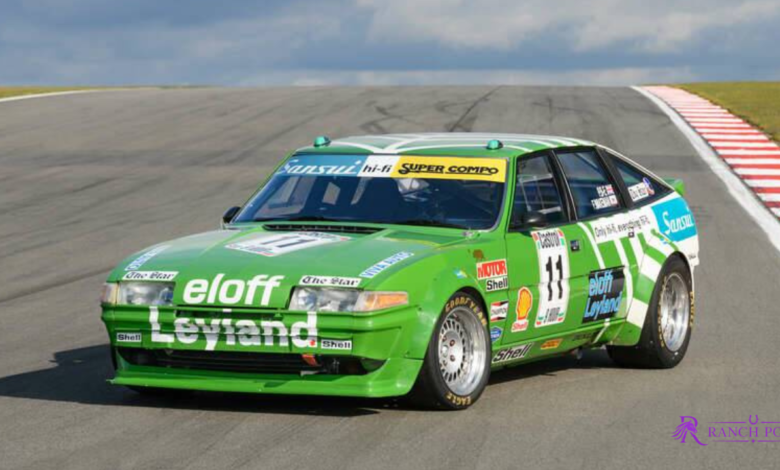
The racing history of the Rover SD1 played an important role in developing its legendary status. Engineers recognised the potential of the powerful V8 engine and strong chassis, leading to the creation of competitive race versions. The car entered touring car competitions and demonstrated impressive speed against some of Europe’s strongest racing machines.
The Rover SD1 touring car became especially famous during the 1980s when it competed in major racing events. Motorsport involvement helped improve the public image of the vehicle and proved that the SD1 was capable of serious performance. Racing examples remain highly admired by enthusiasts who appreciate its competition heritage.
Today, the Rover SD1 race car represents an exciting chapter in British motorsport history. Replica builds, historic racing examples, and restored competition vehicles continue to attract attention at classic car events throughout the UK. Its racing background adds another reason why collectors value the model.
Buying a Rover SD1: Prices, Parts and Ownership Advice
Interest in finding a Rover SD1 for sale has increased as classic car enthusiasts discover its unique combination of style, performance, and history. Buyers can find examples through classic dealers, online listings, auctions, and owner communities. However, condition should always be considered more important than simply choosing the cheapest available vehicle.
When searching for a Rover SD1 for sale UK buyers should carefully inspect important areas including bodywork, engine condition, gearbox performance, suspension components, and interior originality. Rust can be a major issue, particularly on cars that have spent many years exposed to poor weather conditions without proper protection.
The most desirable models include the Rover SD1 V8, Rover SD1 Vitesse, Rover SD1 Vanden Plas, and limited-production versions. The Vanden Plas focuses on luxury, while the Vitesse provides stronger performance appeal. Joining a Rover SD1 forum can also help owners find technical advice, restoration information, and specialist contacts.
Rover SD1 Parts, Maintenance and Long-Term Ownership
Maintaining a classic Rover SD1 requires dedication, but ownership can be rewarding for enthusiasts who appreciate historic British cars. Regular servicing, rust prevention, and careful mechanical checks are essential for keeping these vehicles reliable. The Rover V8 engine is well known for its strength when properly maintained.
Availability of Rover SD1 parts has improved through specialist suppliers and classic car communities. Owners can often find mechanical components, interior pieces, body panels, and restoration items through dedicated networks. Enthusiast support has played a major role in preserving surviving examples.
A well-maintained Rover SD1 can provide a unique ownership experience. It combines classic styling, comfortable cruising ability, and an engaging driving character that modern vehicles often lack. For many collectors, owning one is about preserving an important part of British automotive history.
Conclusion
The Rover SD1 represents ambition, innovation, and performance from an important period in British car manufacturing. Despite facing production challenges, it developed a loyal following because of its distinctive styling, advanced design, and powerful V8 options. From luxury models to high-performance Vitesse versions, every example tells a different story.
Today, the Rover SD1 continues to attract collectors searching for something unique and historically significant. Whether you are interested in a restoration project, a V8 cruiser, or a rare Vitesse model, this British classic remains an exciting choice. Its combination of style, engineering, and motorsport heritage ensures that the SD1 will continue to be appreciated for years to come.
Frequently Asked Questions
What is the Rover SD1?
The Rover SD1 is a British executive car produced by British Leyland between 1976 and 1986, known for its futuristic design, spacious interior, and powerful V8 engine options.
When was the Rover SD1 produced?
The Rover SD1 was produced from 1976 to 1986, with several models and engine variations introduced throughout its production period.
Which Rover SD1 model is the best to buy?
The Rover SD1 V8 and Rover SD1 Vitesse are considered the most desirable models due to their performance, rarity, and strong collector interest.
Is the Rover SD1 V8 reliable?
The Rover SD1 V8 engine is generally reliable when properly maintained, offering strong performance, smooth power delivery, and good long-term durability.
What makes the Rover SD1 Vitesse special?
The Rover SD1 Vitesse is the high-performance version featuring a fuel-injected V8 engine, upgraded suspension, improved brakes, and sporty styling.
How much is a Rover SD1 worth today?
The value of a Rover SD1 depends on its condition, model, originality, history, and rarity, with Vitesse and Twin Plenum versions usually commanding higher prices.
Are Rover SD1 parts still available?
Yes, Rover SD1 parts are still available through specialist suppliers, classic car clubs, and enthusiast communities across the UK.
What should I check before buying a Rover SD1?
Before buying a Rover SD1, check the bodywork for rust, engine condition, gearbox performance, interior originality, and service history.
What is the Rover SD1 Vitesse Twin Plenum?
The Rover SD1 Vitesse Twin Plenum is a rare limited-production performance model featuring special engine technology and increased collector value.
Is the Rover SD1 a good classic car investment?
The Rover SD1 has growing collector interest because of its unique styling, V8 performance, racing heritage, and importance in British motoring history.
Also Read: bridge wayne